
Why Equality, rational thinking, ethical living, constitutional morality, and the courage to build a civilised society matter more than blind obedience.
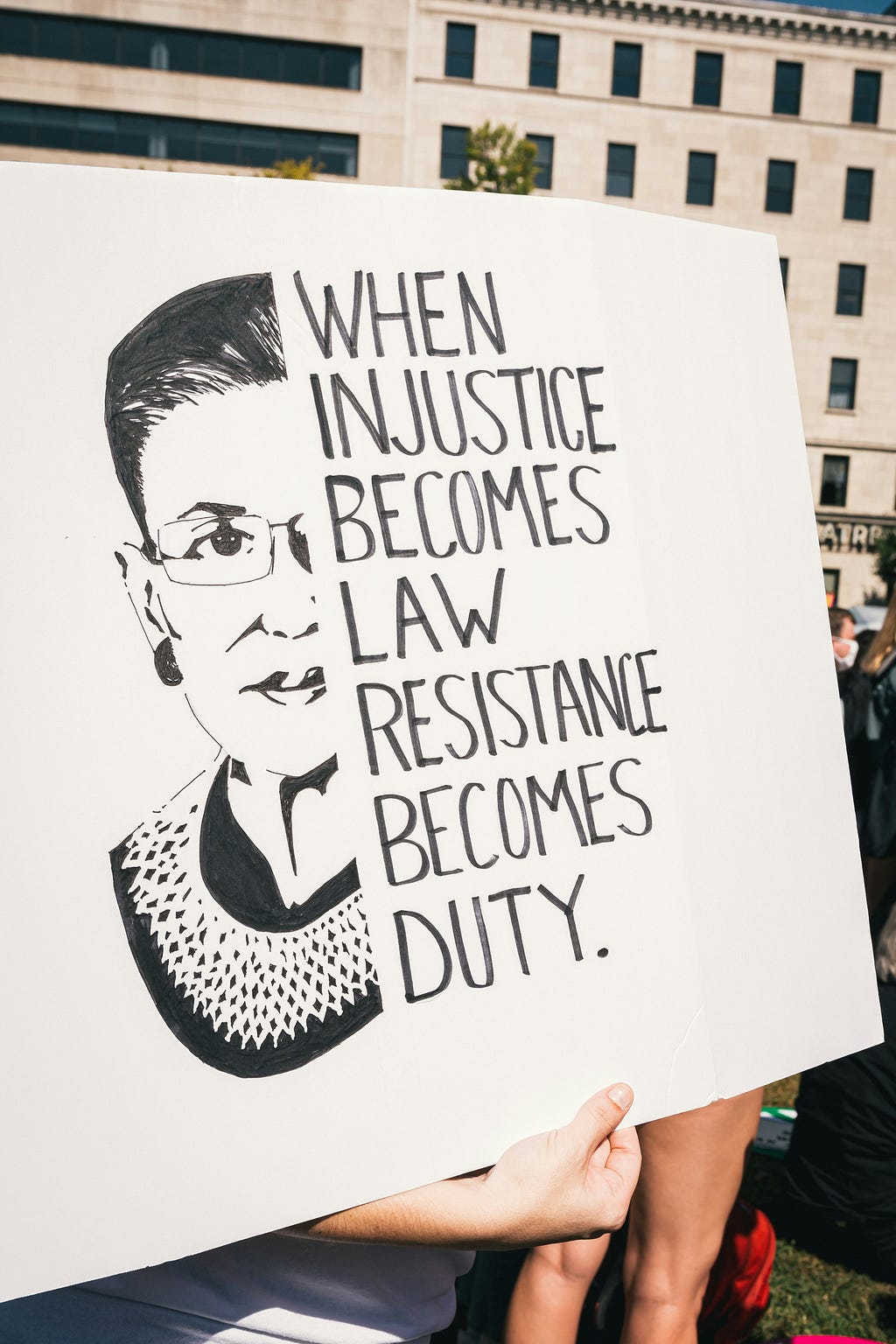
Introduction: The Danger of Sleeping Through Injustice
A society does not become uncivilised in a single day. It happens gradually when people stop questioning injustice, accept discrimination as tradition, confuse blind faith with wisdom, and remain silent when others are denied their dignity.
The greatest danger is often the absence of justice. It is the growing acceptance of injustice as normal.
In my study and experience, I have observed that education, wealth, professional status, urban living, and public displays of devotion do not automatically make a person wise, ethical, or humane. A person may possess impressive qualifications but lack compassion. Someone may live in a modern city but follow outdated prejudices. Another may have limited formal education yet demonstrate remarkable wisdom, honesty, and humanity.
We must therefore ask ourselves a fundamental question: Are we becoming better human beings, or merely becoming more sophisticated in the ways we live, compete, and influence others?
The time has come for India and the world to awaken — not against any particular community, but against injustice, exploitation, discrimination, dishonesty, and the misuse of power.
Humanity must not sleep while human dignity is under attack.
1. Physical Eyesight Is Not the Same as Human Insight
A person with eyesight can see the world, but seeing does not always mean understanding it.
Some people with visual impairments develop remarkable skills in observation, memory, listening, and independent decision-making. Their abilities remind us that intelligence and judgement cannot be measured by physical eyesight alone.
Similarly, a person with perfect vision may fail to recognise deception, discrimination, or exploitation happening directly before them.
The real question is not whether we can see, but whether we can understand.
Do we recognise when someone is being cheated? Can we distinguish evidence from rumours, knowledge from superstition, and genuine service from the performance of goodness?
We must avoid generalising about people with or without disabilities. Every individual is different. The larger lesson is simple: physical ability does not determine a person’s intelligence, character, or wisdom.
Let us develop the inner vision to recognise truth, question manipulation, and respect every human being.
2. Literacy Without Wisdom Is an Incomplete Achievement
Education should help people think independently, understand evidence, solve problems, and make responsible decisions.
Yet literacy alone cannot guarantee good character. A highly educated person may participate in corruption, discriminate against others, spread misinformation, or misuse professional knowledge for personal gain. A person with little formal education may demonstrate honesty, generosity, practical intelligence, and sound judgement.
This does not diminish the importance of education. It reminds us that education must go beyond certificates and examinations.
What is the purpose of learning if we cannot distinguish right from wrong? What is the value of a professional qualification if we use our knowledge to exploit vulnerable people?
Our educational institutions must develop critical thinking, empathy, scientific temper, financial awareness, civic responsibility, and ethical conduct alongside academic achievement.
Education should not merely help us earn a living; it should help us learn how to live with others.
3. Blind Faith and Hero Worship Can Weaken Independent Thinking
Faith and tradition are personal matters that can provide comfort, identity, and a sense of belonging. The problem begins when belief is used to silence questions, justify discrimination, demand unquestioning obedience, or exploit innocent people.
No individual should become beyond criticism simply because followers admire them.
A leader, religious teacher, public figure, wealthy person, or social reformer must remain accountable for their actions. Respect should never require the surrender of independent judgement.
When someone claims extraordinary powers, promises impossible results, demands money through fear, or discourages people from seeking evidence, we should exercise caution. Claims must be assessed through credible evidence, not merely popularity or emotional appeal.
A person who questions an influential figure is not necessarily disrespectful. Sometimes, questioning is an act of public responsibility.
We must learn to respect people without worshipping their mistakes, appreciate traditions without accepting every practice blindly, and preserve faith without abandoning reason.
4. Worship Must Be Reflected in Our Conduct
Visiting a place of worship, participating in a ceremony, or following a spiritual tradition does not automatically make anyone ethical. Equally, the absence of religious practice does not make a person immoral.
Our conduct provides a more meaningful measure of our values.
Do we treat women and children with dignity? Do we refuse bribes? Do we respect people from different backgrounds? Do we protect the vulnerable? Do we fulfil our responsibilities honestly?
Violence, harassment, exploitation, corruption, and humiliation cannot become acceptable merely because they are committed by influential people or defended in the name of tradition.
If our prayers encourage compassion, let compassion be visible in our homes and workplaces. If our festivals celebrate togetherness, let that spirit extend to people who are poor, excluded, or unable to participate.
The purpose of moral and spiritual reflection should be to improve our behaviour, not to create a false sense of superiority over others.
The worth of our beliefs should be reflected in the dignity we extend to fellow human beings.
5. Equality Is Not a Favour; It Is a Foundation of Justice
People are born into different circumstances. They may differ in language, religion, caste, gender, disability, income, education, nationality, and opportunity. These differences should not become excuses for denying anyone basic dignity.
In India, the Constitution provides an important framework for this principle. Article 14 guarantees equality before the law and equal protection of the laws. Article 15 prohibits specified forms of discrimination. Article 17 abolishes untouchability. Article 21 protects life and personal liberty.
These constitutional guarantees are not merely words for textbooks or occasions of national celebration. They must guide public institutions, private conduct, and everyday decisions.
Equality does not mean that every person has identical needs or circumstances. It means that differences must not be used to justify humiliation, exclusion, or unfair treatment. Sometimes, achieving meaningful equality requires addressing historical disadvantage and unequal access to opportunities.
We must also question systems in which a small section accumulates disproportionate power and influence while large sections struggle for education, healthcare, employment, housing, and basic security.
Wealth itself is not wrongdoing, and enterprise can contribute to social progress. The concern arises when economic power enables exploitation, unfair influence, denial of workers’ rights, or the weakening of public accountability.
A civilised society measures progress not only by the prosperity of its wealthiest citizens but also by the dignity and opportunities available to its most vulnerable people.
6. Festivals Should Bring Happiness, Not Financial Distress
Festivals and cultural traditions can strengthen relationships, preserve heritage, and bring communities together. They deserve respect when celebrated voluntarily and responsibly.
However, social pressure can turn celebration into a financial burden.
Some families spend beyond their means to maintain appearances, organise expensive ceremonies, purchase unnecessary items, or avoid criticism from relatives and neighbours. The pressure can be especially painful for economically weaker households already struggling with education costs, healthcare, housing, and daily expenses.
No family should have to borrow irresponsibly merely to prove its social standing.
Before spending, we should ask three practical questions:
- Can we genuinely afford this expense?
- Will it affect essential family needs or future savings?
- Are we celebrating from happiness or acting out of fear of social judgement?
Simple celebrations can carry deep meaning. Sharing food, helping a struggling family, protecting nature, and spending time with loved ones may create more lasting happiness than expensive displays.
Tradition should enrich life, not control it. A society that values humanity must respect a family’s right to celebrate within its means without shame or pressure.
7. Bad Politics, Poor Governance, and Public Silence
Democracy requires more than voting. It requires informed citizens, transparent institutions, responsible leadership, and the freedom to question decisions.
When political discussions encourage hatred, when public resources are misused, when citizens are divided for electoral advantage, or when powerful people avoid accountability, democracy loses some of its moral strength.
Citizens must evaluate leaders through evidence: their policies, integrity, public service, treatment of vulnerable groups, and willingness to accept scrutiny.
We should not blindly defend wrongdoing because it is committed by someone from our preferred political party, community, or ideological group.
At the same time, criticism must remain peaceful, lawful, evidence-based, and free from hatred towards individuals or communities.
Raising our voices against injustice does not require violence. We can use constitutional methods: voting responsibly, filing complaints, seeking information under applicable laws, supporting independent journalism, approaching appropriate legal institutions, participating in peaceful campaigns, and helping affected people access justice.
Silence may appear comfortable today, but unchallenged injustice can become tomorrow’s burden.
8. Constitutional Morality Must Begin in Childhood
Constitutional morality means respecting constitutional values in our decisions, institutions, and relationships. It calls for respect for equality, liberty, dignity, justice, fraternity, and the rule of law.
These values should not remain confined to law colleges or competitive examinations.
From kindergarten to postgraduate education, children and young adults should learn age-appropriate lessons in fairness, empathy, consent, gender respect, scientific temper, environmental responsibility, digital literacy, financial discipline, and peaceful conflict resolution.
Students should be encouraged to discuss real-life situations, question unfair practices respectfully, recognise misinformation, and understand why every person deserves dignity.
Teachers, parents, administrators, business leaders, public servants, and elected representatives must also practice what they teach.
A lesson on equality becomes meaningless when discrimination is tolerated in the classroom. A lesson on honesty loses value when dishonesty is rewarded in public life.
Constitutional morality must become a way of living, not merely a subject to be memorised.
9. What Can Each of Us Do Today?
Awakening does not always begin with a large movement. It can begin with one honest decision.
- Question responsibly: Examine claims, seek reliable evidence, and avoid forwarding unverified messages.
- Reject discrimination: Do not participate in humiliation or exclusion based on identity or social status.
- Practice ethical courage: Speak up safely when you witness wrongdoing and support people seeking justice.
- Spend wisely: Protect family finances from unnecessary social pressure and status competition.
- Demand accountability: Evaluate public representatives and institutions on their conduct and results.
- Respect every profession: Treat sanitation workers, farmers, domestic workers, teachers, healthcare workers, and other workers with dignity.
- Use technology responsibly: Do not spread hatred, harassment, or misinformation through digital platforms.
- Help without discrimination: Offer time, knowledge, resources, or encouragement according to your ability.
- Keep learning: Be willing to correct your own beliefs when evidence or experience shows that you are mistaken.
We cannot change every injustice in one day. But we can stop contributing to injustice today.
Conclusion: Let Us Evolve from Mere Existence to Humane Living
Human progress should not be measured only by skyscrapers, technology, economic growth, educational qualifications, or the number of followers a person commands.
It should also be measured by how we treat people who cannot benefit us, how we respond when someone is discriminated against, how honestly we use our power, and how fairly we share opportunities.
India and the world do not need more divisions disguised as superiority. They need more responsible citizens, ethical institutions, thoughtful leaders, and compassionate communities.
We can preserve meaningful traditions without surrendering our reason. We can practise faith without disrespecting another person’s beliefs. We can pursue wealth without exploiting others. We can respect leaders without abandoning independent thought. Above all, we can celebrate our differences while protecting our shared humanity.
Let us awaken from indifference. Let us challenge injustice through peaceful, lawful, and determined action. Let us educate our children not merely to succeed in competition, but to contribute to a fairer society.
Let us remember that a truly cultured society is not one in which people simply appear civilised. It is one in which dignity, fairness, responsibility, and compassion guide everyday life.
My message to India and the world is simple:
Be good and do good.
Humanity before hatred. Equality before privilege. Reason before blind obedience. Justice before personal gain.
Humanity must not sleep. When injustice appears, let conscience awaken, let reason speak, and let responsible action begin.
#Equality, #Humanity, #SocialJustice, #ConstitutionalMorality, #CriticalThinking
If you liked my article, please click here to view my Amazon Author Profile !!
Which point did you like the most?? I’d love to hear your thoughts in the comments section below.
I humbly solicit your following, highlighting, clapping, and reviewing.